

Overview
- Rubella (sometimes called German measles) is a disease caused by a virus.
- It is spread from person-to-person through the air.
- Children with rubella usually first break out in a rash. Older children and adults have a mild fever, swollen glands in the neck or behind the ears, and an upper respiratory infection before they develop a rash. Adults, especially women, often suffer from aching joints. Many people infected with rubella virus have no symptoms at all.
- Rubella can cause miscarriage or serious birth defects, including heart defects, deafness, and blindness, if the infection occurs during pregnancy.
- It is very contagious, so when one person gets infected, it’s easy for the disease to spread. Rubella outbreaks still occur around the world.
- Vaccination is the best way to prevent rubella.
- International Travel: Rubella occurs in parts of the world where vaccination rates are low. Travelers should be up to date with this vaccine before international travel.
Rubella Vaccine Schedule
In the United States, rubella vaccine is part of the MMR (measles-mumps-rubella) vaccine. All children should get 2 doses of MMR vaccine starting at age 12 months. Some teens and adults may also need MMR vaccine if they didn’t get 2 doses when they were younger.

Partner Resources
General
Find fact sheets, resources, multimedia, and more for parents and children from CDC.
Two doses of the MMR shot (measles, mumps, and rubella) are recommended for children by doctors as the best way to protect against rubella. Learn more about meningococcal and vaccines from CDC. A Spanish-language version is also available.

Questions and answers about measles, mumps, and rubella (MMR) and vaccines from the Vaccine Education Center at the Children’s Hospital of Philadelphia.

Basic information about rubella and vaccines, from the American Academy of Pediatrics

Information about rubella vaccine (MMR) and the importance of vaccinating children.

The Measles & Rubella Partnership is committed to ensuring that no child dies from measles or is born with congenital rubella syndrome. They help countries to plan, fund, and measure efforts to stop measles and rubella for good.
Travel
Information for travelers about vaccines they may need, including MMR (measles, mumps, rubella).
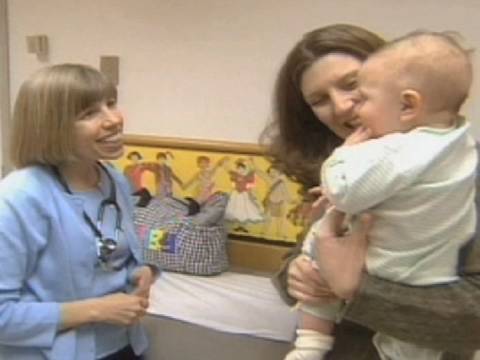
MMR Vaccine—Vaccines and Your Baby
The MMR vaccine is a combination of three vaccines in one. This vaccine prevents measles, mumps, and rubella.
People of any age can feel a bit anxious about getting a shot. Some may be so anxious that they avoid vaccination…even when they know it’s important. Learn more about simple ways to help any child or adult feel better and more confident when getting vaccinated.