

Overview
- Polio is a disease caused by a virus. People have feared polio for hundreds of years because it can paralyze arm, leg, and breathing muscles.
- Polio virus is spread when invisible particles of feces (poop) get into your mouth. You can get polio by swallowing contaminated food or water or by putting contaminated objects in your mouth.
- Polio often causes no visible symptoms, but it can be very serious. Sometimes the infected person’s legs or arms become permanently paralyzed from the virus. Polio can also paralyze the breathing muscles and cause death.
- Polio has been eliminated from the United States and all parts of the Western Hemisphere, thanks to vaccination. But the virus is still present in some parts of the world, so your child would be at risk of infection if they traveled to certain countries without being vaccinated. The virus can also be brought into the U.S. by a traveler.
- Vaccination is the best way to prevent paralytic polio disease.
- International Travel: All travelers should be up to date with polio vaccination. Adults vaccinated in childhood should get one additional dose as an adult if traveling to areas of the world where polio viruses are circulating. A travel health specialist can help decide if an adult booster dose is recommended.
Polio Vaccine Schedule
You can protect your child from polio with vaccination. All children should get 3 doses of polio vaccine as babies (starting at 2 months of age) and a booster dose at 4-6 years old. If your child misses a dose or gets behind schedule, make sure they get the next dose as soon as possible. Adults in the United States age 18 years and older who are known or strongly suspected of being unvaccinated or incompletely vaccinated should also complete a 3-dose series. A single lifetime booster dose of polio vaccine may be given to some vaccinated adults who travel to areas where polio disease still exists.
Partner Resources
General
Find fact sheets for parents and children, resources, multimedia, and more from CDC.
Four doses of the polio shot for children are recommended by doctors as the best way to protect against polio. Learn more about meningococcal and vaccines from CDC. A Spanish-language version is also available.

Questions and answers about polio and vaccines from the Vaccine Education Center at the Children’s Hospital of Philadelphia.
Basic information about polio disease and vaccines, from the American Academy of Pediatrics

Information about polio vaccine and the importance of vaccinating children.

Post-Polio Health International helps enhance the lives and independence of polio survivors and home ventilator users through education and research.
Travel
Recommendations for polio vaccination for people who plan to travel internationally.
Access the polio chapter of the CDC Yellow Book for travel-associated infections and diseases. This resource is intended for healthcare professionals, but its information is also useful for travelers.
 PERSONAL TESTIMONIES
 Sharon Karber
Sharon Karber, a nurse working in public health, recalls the paralysis she suffered from polio when she was 3 years old in 1953. She describes her experience with this crippling vaccine-preventable disease and her subsequent struggles with and success at rehabilitation.
Read more.Laura Lake
Polio victim entreats parents to say yes to vaccines.
Read more.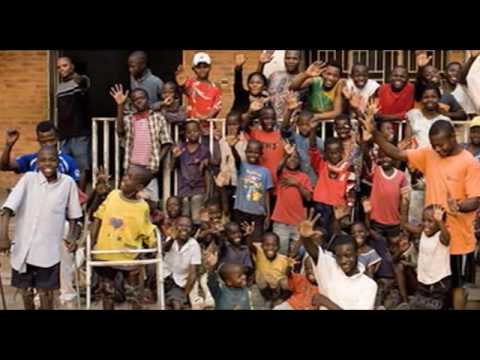
Twin Voices—A Memoir of Polio
This book trailer for “Twin Voices,” by Janice Flood Nichols, provides a unique and timely glimpse into polio, a virus that killed and maimed millions of children and adults during the twentieth century.
People of any age can feel a bit anxious about getting a shot. Some may be so anxious that they avoid vaccination…even when they know it’s important. Learn more about simple ways to help any child or adult feel better and more confident when getting vaccinated.