

Overview
- Measles is a serious disease caused by a virus.
- Measles is spread person-to-person through the air.
- Measles can cause pneumonia, seizures, brain damage, and even death.
- The measles virus is very contagious, so when one person gets infected, it’s easy for the disease to spread. Measles is common around the world. Measles outbreaks occur each year due to infected people bringing the disease into the United States from other countries.
- Vaccination is the best way to prevent measles.
- International Travel: Measles is found around the world. All international travelers should be up to date with measles vaccination. Adults born since 1957 and children old enough to receive two doses should receive two doses before international travel. Children 6 through 11 months who travel internationally should get an early dose of measles-containing vaccine before travel: they will still need two routine doses of measles vaccine later.
Measles Vaccine Schedule
In the United States, measles vaccine is part of the MMR (measles-mumps-rubella) vaccine. All children should get 2 doses of MMR (measles-mumps-rubella) vaccine starting at age 12 months. Some teens and adults may also need MMR vaccine if they didn’t get 2 doses when they were younger.

Partner Resources
General
Find fact sheets, resources, multimedia, and more for parents and children from CDC.
Two doses of the MMR (measles, mumps, and rubella) vaccine are recommended for children by healthcare providers as the best way to protect against measles, mumps, and rubella. Learn more about measles and vaccines from CDC. A Spanish-language version is also available.

Questions and answers about measles, mumps, and rubella (MMR) and vaccines from the Vaccine Education Center at the Children’s Hospital of Philadelphia.

Information about measles vaccine (MMR) and the importance of vaccinating children.
Travel
Access the measles chapter of the CDC Yellow Book for travel-associated infections and diseases. This resource is intended for healthcare professionals, but its information is also useful for travelers.
Information for travelers about vaccines they may need, including MMR (measles, mumps, rubella).

Basic information about measles disease and vaccine. Includes international travel tips for families with young children.

The Measles & Rubella Partnership is committed to ensuring that no child dies from measles or is born with congenital rubella syndrome. They help countries to plan, fund, and measure efforts to stop measles and rubella for good.
 PERSONAL TESTIMONIES
 John Kiely
John Kiely relates his personal experience with measles and reminds us that vigilance in maintaining high levels of vaccination coverage is necessary to prevent measles and other vaccine-preventable diseases from making a comeback.
Read more.Eileen Ouellette
In this personal account, Dr. Ouellette vividly describes her own experience with measles infection in 1937. As an eight-year-old girl, she suffered for days with an extremely high fever from measles.
Read more.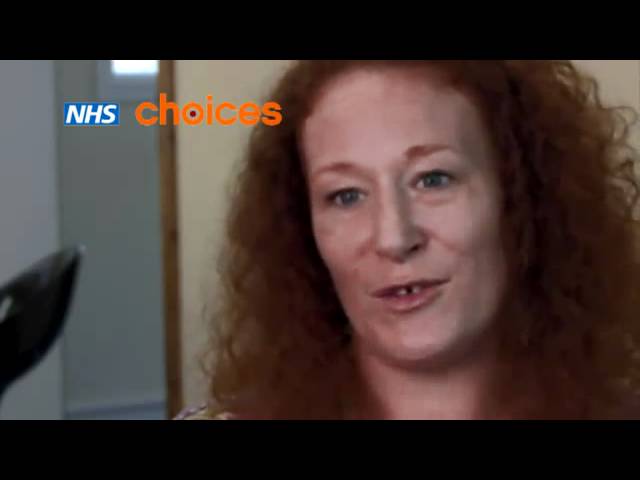
Measles—Rachel’s Story
Measles is a highly infectious viral illness that can cause fever, coughing, and distinctive red-brown spots on the skin. Rachel’s daughter Lola contracted measles at the age of three. In this UK National Health Service (NHS) video, Rachel describes Lola’s symptoms, how she was finally diagnosed with measles, and the treatments she received.
People of any age can feel a bit anxious about getting a shot. Some may be so anxious that they avoid vaccination…even when they know it’s important. Learn more about simple ways to help any child or adult feel better and more confident when getting vaccinated.